The Promise of Silicon Anodes for Electric Vehicles
Drivers of electric vehicles and power users of smartphones have long anticipated the arrival of silicon anode batteries. This advanced technology promises a significant boost in energy density and a dramatic reduction in charging times. While silicon anodes have begun appearing in consumer electronics, with companies like Whoop using materials from Sila and Group14's technology powering various smartphones, the true game-changer lies in the electric vehicle market, which dwarfs consumer electronics in scale. To unlock this massive potential, startups need to achieve mass production of silicon anode materials.
Group14 Achieves Production Milestone
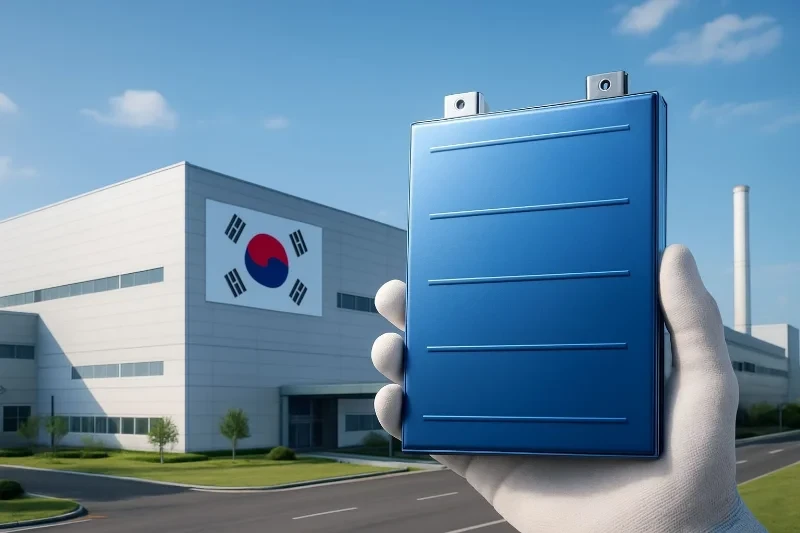
Addressing the need for scale, Group14 announced the commencement of production at its BAM-3 factory in South Korea. This facility is designed to produce up to 2,000 metric tons of silicon battery materials annually. This output is substantial enough to support approximately 10 gigawatt-hours of energy storage, equating to the needs of about 100,000 long-range electric vehicles.
"It's a significant development for us, and we believe it's a major step forward for the entire industry," stated Rick Luebbe, co-founder and CEO of Group14. The BAM-3 facility was initially established as a joint venture between Group14 and the prominent Korean battery manufacturer, SK. SK held a majority stake but transferred its ownership to Group14 last summer. Luebbe explained that SK faced its own strategic and financial adjustments, which presented Group14 with a valuable opportunity to fully acquire the facility.
Overcoming Silicon Anode Challenges
Traditional batteries predominantly use carbon as the anode material. While functional, silicon holds the potential to store up to ten times more lithium ions. However, historical attempts to implement pure silicon anodes were hindered by issues of swelling and degradation over repeated charging cycles. Group14's innovative solution involves a durable hard carbon scaffold. This structure securely holds minuscule silicon particles, preventing the anode from expanding or crumbling. The scaffold is engineered with nanoscale pores that facilitate the efficient passage of lithium ions and electrons, enabling rapid charging without compromising the material's integrity.
Transforming EV Charging and Range Anxiety
Several companies are already leveraging Group14's silicon anodes to enhance battery performance. Sionic, for instance, is achieving up to a 50% increase in energy density. Molicel is focusing on the rapid charging capabilities, developing batteries capable of charging from empty to full in as little as 90 seconds. This level of fast charging could revolutionize the EV market. Chinese EV manufacturer BYD has recently unveiled a new battery pack that can achieve a 10% to 70% charge in just five minutes, a feat Luebbe believes is likely achieved using silicon-carbon technology.
The widespread adoption of such rapid charging capabilities could effectively eliminate range anxiety for EV drivers. Currently, automakers strive to offer 300 to 400 miles of range, often necessitating large, heavy, and expensive battery packs. With flash charging, vehicles could gain significant range in mere seconds, allowing manufacturers to reduce battery size, thereby lowering costs and vehicle weight. Luebbe envisions a future where inductive charging at traffic lights becomes a practical reality, fundamentally changing the user experience. He noted, "You'd never think about charging ever again."
Stay Tuned to Devignitor Insights for More Updates