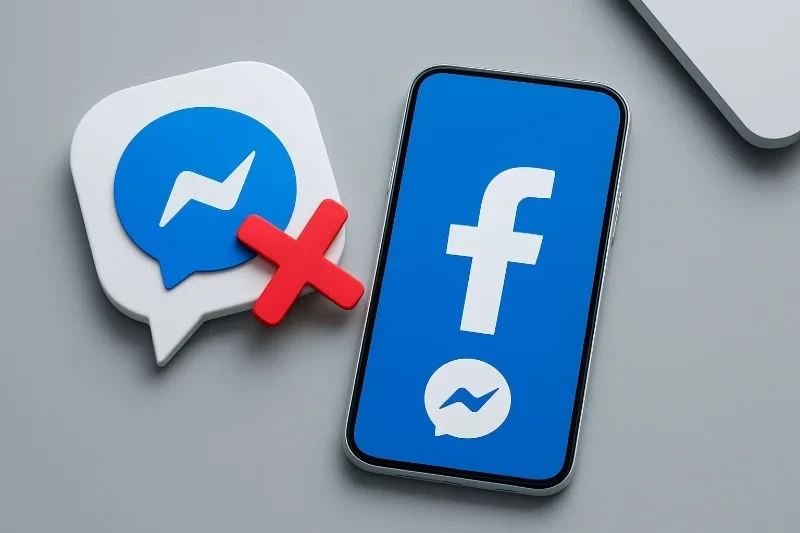
Meta is phasing out the standalone Messenger website, messenger.com, beginning April 2026. The company announced this change via a help page, indicating that users wishing to access Messenger on a computer will be redirected to the messaging section of facebook.com.
According to the official announcement, "After messenger.com goes away, you will be automatically redirected to use facebook.com/messages for messaging on a computer. You can continue your conversations there or on the Messenger mobile app." This move signifies a consolidation of Meta's messaging services, bringing web-based Messenger interactions directly under the Facebook umbrella.
For individuals who utilize Messenger without a Facebook account, their conversations will exclusively continue via the Messenger mobile application. Users can safeguard their chat history by creating a backup using a PIN, which can then be used to restore conversations across any platform. If a user forgets their PIN, it is possible to reset it.
This decision follows closely on the heels of Meta's discontinuation of its standalone Messenger desktop applications for Windows and Mac earlier this year. At that time, users of the desktop apps were already being directed to the Facebook website for their messaging needs, hinting at this broader web platform consolidation.
The impending shutdown was initially observed by reverse engineer Alessandro Paluzzi. Meta is currently informing users of this transition through pop-up messages within both the Messenger website and the application.
The news has elicited a mixed reaction from users on social media. Many have voiced concerns about being required to use the full Facebook website for messaging, particularly those who have deactivated their Facebook accounts and preferred the independent Messenger experience. This sentiment highlights a desire for distinct platforms for communication.
While Meta's strategy of streamlining its messaging platforms may cause some user inconvenience, it enables the tech giant to optimize resources and reduce the overhead associated with maintaining multiple distinct web presences. This aligns with broader industry trends of platform consolidation for efficiency.
Messenger's journey began in 2008 as "Facebook Chat." It evolved into the standalone Facebook Messenger app in 2011. Over the years, Meta actively promoted Messenger as a separate entity from its core social network. This push was emphasized in 2014 when messaging features were removed from the main Facebook mobile app, encouraging users to adopt the dedicated Messenger application. However, Meta began reversing this strategy in 2023, gradually re-integrating messaging functionalities back into the primary Facebook application.
Stay Tuned to Devignitor Insights for More Updates