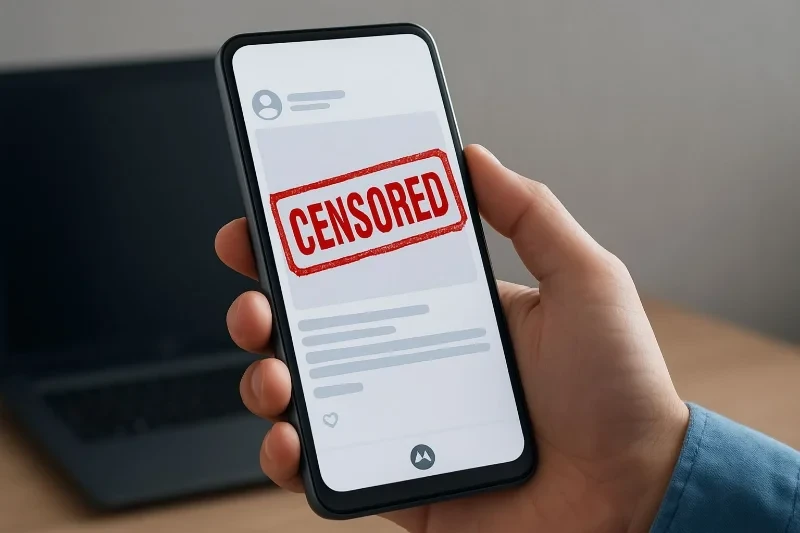
Motorola has initiated a lawsuit in India against social media platforms and content creators, alleging defamatory posts and sparking concerns among experts that this move could stifle critical coverage of the company. Devignitor Insights is closely monitoring this developing situation.
Legal Action Targets Platforms and Creators
The lawsuit, filed in a Bengaluru court, names major platforms such as X, YouTube, and Instagram, along with numerous content creators. Motorola is seeking the removal of specific content and a broader injunction against what it describes as false or defamatory material concerning its devices. The extensive filing, exceeding 60 pages, requests a permanent injunction to prevent the defendants from publishing or sharing content that Motorola deems false or defamatory, including product reviews, videos, comments, and boycott campaigns.
Content Under Scrutiny
The complaint highlights hundreds of posts across various platforms, including videos alleging device malfunctions and instances of phones catching fire. However, the legal action also targets unfavorable product reviews and user commentary that the company asserts are untrue or damaging.
Creators Express Concern
Two content creators, who spoke anonymously, revealed they became aware of the lawsuit after receiving notifications from X indicating their accounts were referenced in legal proceedings. X informed them of the lawsuit for transparency and advised them to seek legal counsel, contest the case, or remove the content. One creator stated that the post in question was based on a verified incident for which Motorola had replaced the device. "The brand is just mentally harassing us, and they want to set an example," the creator commented, adding, "It will impact. I will stop covering good parts too."
Market Context and Consumer Reliance
India represents Motorola's second-largest market globally, contributing approximately 21% of its smartphone shipments in 2025. A significant portion, over 90%, of devices shipped in India are in the sub-$250 price segment. In this market, consumers heavily rely on online reviews and word-of-mouth recommendations.
Free Speech and Chilling Effects
Advocates for free speech argue that Motorola's lawsuit is overreaching. Apar Gupta, a lawyer and director at the Internet Freedom Foundation, expressed concern that such broad injunctions could collapse traditional legal distinctions. He warned of a significant "chilling effect," where creators might opt to remove content rather than face the financial and emotional burden of legal battles. Gupta emphasized that independent product criticism, crucial for holding manufacturers accountable for genuine safety and quality issues, is particularly at risk.
Industry Reactions
Reactions within the industry have been mixed. Madhav Sheth, CEO of Ai+, defended stricter measures against misinformation, stating, "Freedom of speech is not a license for defamation." However, his remarks drew criticism, with some users suggesting they could deter legitimate product reviews. Conversely, Sunil Raina, managing director of Lava International, offered a different perspective: "When faced with criticism, you have two choices: intimidate or improve. One silences the feedback. The other silences the need for it."
Broader Implications
This case could signal a shift in how brands address online criticism in India. Creators anticipate more such legal actions, especially as evolving online content regulations increase liability for both creators and platforms. This trend aligns with recent proposals to tighten oversight of online content in India.
Motorola and the social media platforms involved did not respond to requests for comment.
Stay Tuned to Devignitor Insights for More Updates