Perplexity Introduces "Computer" for Complex AI Workflows
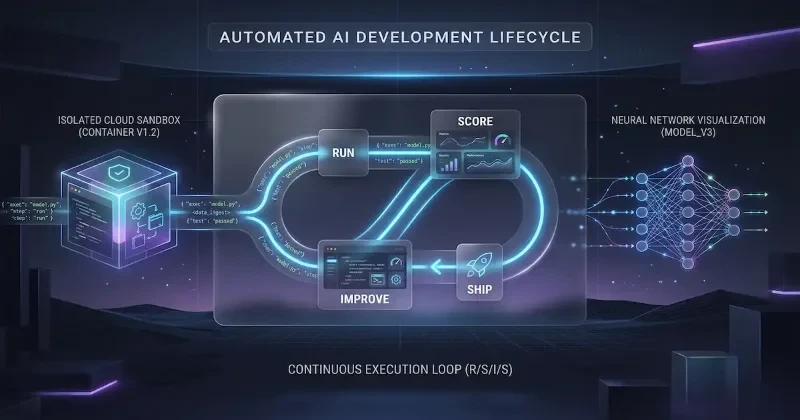
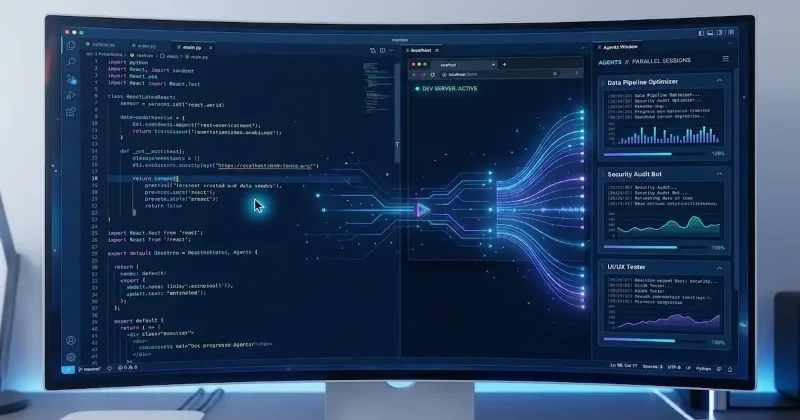
Perplexity, a company known for its AI-powered answer engine, has launched a new tool called Perplexity Computer. This advanced feature, available to subscribers of its highest tier, Perplexity Max ($200/month), aims to unify a wide array of AI capabilities into a single, powerful system. According to Perplexity, the Computer can independently execute complex workflows by leveraging 19 different AI models and even create specialized subagents to tackle specific problems. This cloud-based solution potentially sidesteps some security concerns associated with other agentic tools.
Demonstrations and Product Evolution
While a hands-on review is pending, Perplexity's website showcases example workflows. These examples demonstrate the Computer's ability to gather statistics, financial, and legal data, perform analysis, and present findings as finished websites or visualizations. Perplexity executives shared their vision for the year ahead during a recent press briefing. However, a planned demonstration of the Computer was canceled shortly before the event due to the discovery of flaws in the product.
This launch marks a significant step in Perplexity's evolution. The company initially gained traction by offering sophisticated AI models through familiar interfaces, akin to a search engine. This was followed by the introduction of their Comet web browser. Perplexity executives noted that competitors, including Google, have begun adapting their products to resemble Perplexity's offerings, viewing this as both a validation and a competitive challenge.
Strategic Shifts and User Focus
The AI landscape is constantly shifting, prompting Perplexity to adapt. The company recently discontinued its advertising business, citing a negative impact on user trust in the accuracy of its answers. While Perplexity boasts tens of millions of users, this figure is considerably smaller than OpenAI's reported 800 million weekly users, who are now seeing ads tested within ChatGPT.
Perplexity executives indicated a strategic shift towards serving a more specialized user base, focusing on individuals engaged in "GDP-moving decisions." The company is prioritizing enterprise subscriptions, particularly for in-depth research needs. "We're not on a mission to get as many users as possible," stated one executive, emphasizing a focus beyond raw user numbers.
Advanced Research Capabilities and Multi-Model Strategy
Perplexity recently introduced Draco, a new benchmark for complex research tasks, where its own deep research offering reportedly outperforms competitors like Gemini. The company has also developed its own AI-optimized search API, reducing reliance on third-party providers for its web index.
Perplexity's core strategy involves packaging advanced AI models within a user-friendly experience, arguing that orchestrating multiple third-party Large Language Models (LLMs) leads to the most cost-effective and accurate results. "Multi-model is the future," asserted a Perplexity executive, positing that AI models are specializing rather than becoming commoditized. The company has observed users switching between models for optimal results, citing examples like Gemini Flash for visual outputs, Claude Sonnet 4.5 for software engineering, and GPT-5.1 for medical research.
The Perplexity Computer can intelligently select the best model for a given task. For instance, if one LLM excels at coding and another at marketing copy, the system can automatically choose the ideal one. Executives also mentioned the potential for cost savings by transparently utilizing modified open-source LLMs, a practice that drew criticism previously but is now presented as an efficient query optimization technique.
Future Developments and User Feedback
Perplexity also offers a "Model Council" feature, allowing users to query multiple models simultaneously. However, the economics of providing multiple queries at a fixed subscription rate remain a point of consideration.
Despite these considerations, Perplexity remains confident in its competitive strategy, focusing on allocating computational resources to the most suitable models without the burden of extensive infrastructure projects. The company plans further enhancements, including the upcoming iOS version of Perplexity Comet and a developer conference in San Francisco to promote third-party API usage.
Recent user feedback, particularly on platforms like Reddit, has pointed to perceived rate limit increases on free and subscription tiers. Perplexity executives, however, have dismissed these claims, stating that "Any discussions on the free tier being made worse or rate-limited is completely false."
Stay Tuned to Devignitor Insights for More Updates