The Challenge of AI-Generated Code
Peer review is a cornerstone of software development, essential for catching bugs early, ensuring code consistency, and enhancing overall quality. The advent of AI coding tools, often referred to as "vibe coding," has accelerated development by generating significant amounts of code from simple natural language prompts. However, this rapid code generation also introduces new challenges, including subtle bugs, security vulnerabilities, and code that may be difficult for developers to fully understand.
Anthropic's Solution: Claude Code Review
Anthropic has introduced a new AI-powered solution designed to address these challenges. Named "Code Review," this tool is integrated into Claude Code and aims to identify and flag potential issues before they are merged into a software codebase. Cat Wu, Anthropic's Head of Product, explained that the increasing adoption of Claude Code, particularly within enterprise environments, led to a growing need for efficient review processes for the numerous pull requests generated by the AI.
"We've seen a lot of growth in Claude Code, especially within the enterprise, and one of the questions that we keep getting from enterprise leaders is: Now that Claude Code is putting up a bunch of pull requests, how do I make sure that those get reviewed in an efficient manner?"
Pull requests are the standard mechanism for submitting code changes for review before integration. With Claude Code significantly boosting code output, the volume of pull requests has created a bottleneck in the shipping process. Code Review is Anthropic's direct response to this bottleneck.
Availability and Target Audience
The Code Review tool is initially available in a research preview for customers using Claude for Teams and Claude for Enterprise. This launch comes at a significant time for Anthropic, which has also been involved in legal disputes concerning its designation as a supply chain risk by the Department of Defense. The company is increasingly focusing on its enterprise business, which has experienced substantial growth.
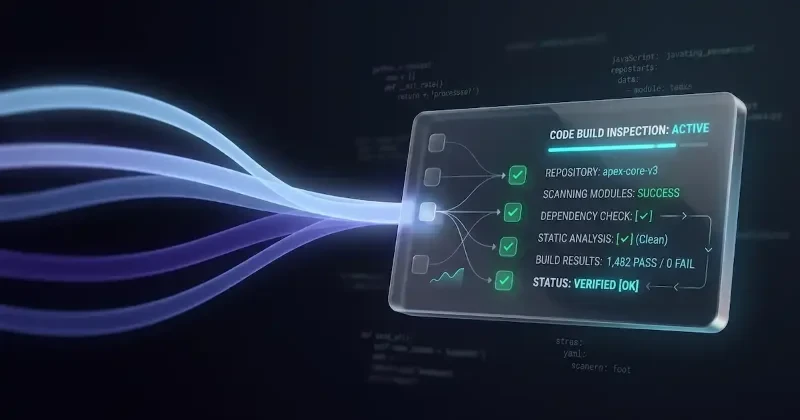
Wu highlighted that the tool is primarily aimed at large enterprise clients, such as Uber, Salesforce, and Accenture, who are already leveraging Claude Code and require assistance managing the increased volume of pull requests. Development leads can enable Code Review to automatically analyze pull requests, providing feedback directly within GitHub. This analysis focuses on identifying logical errors rather than stylistic issues, ensuring that the feedback is actionable and addresses the most critical problems.
How Code Review Works
The AI provides a detailed explanation for each identified issue, outlining the potential problem and suggesting possible solutions. The severity of issues is visually indicated using color codes: red for critical issues, yellow for potential concerns, and purple for problems related to existing code or historical bugs. This is achieved through a multi-agent system where different agents analyze the code from various perspectives. A final agent consolidates and prioritizes these findings, eliminating duplicates and ensuring that the most important issues are highlighted.
While the tool includes a basic security analysis, Anthropic's dedicated Claude Code Security offers more in-depth security checks. The Code Review tool can be resource-intensive due to its multi-agent architecture. Pricing is token-based, with estimated costs ranging from $15 to $25 per review, varying with code complexity. Wu views this as a necessary premium service in an era of rapidly increasing AI-generated code.
Wu emphasized the strong market demand for such a tool, stating, "This product is something that is coming from an insane amount of market pull." As developers experience reduced friction in creating new features with Claude Code, the need for efficient code review intensifies. Anthropic aims to empower enterprises to build software faster and with fewer bugs than ever before.
Stay Tuned to Devignitor Insights for More Updates