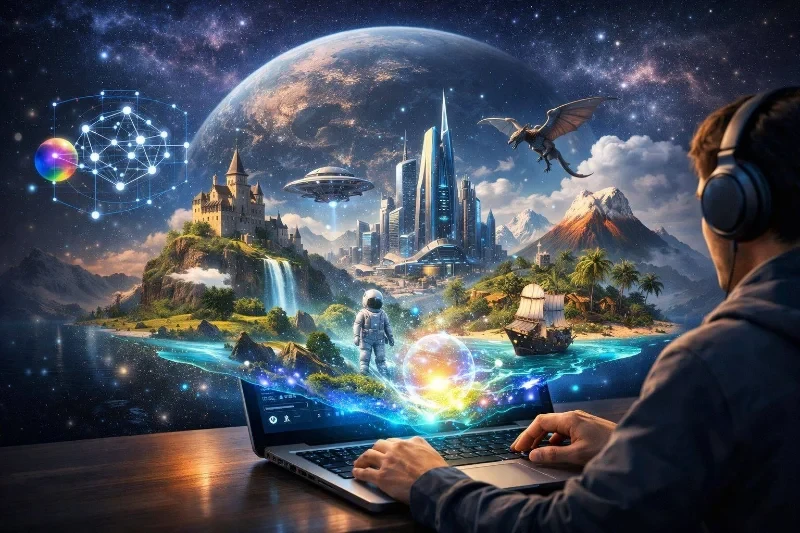
Have you ever stood on the edge of a digital mountain range and realized that no human hand ever placed those rocks? Does it unsettle you to think that the sprawling, star strewn galaxy you are exploring did not exist until the very second you decided to look at it? We are living in an era where software has moved from being a static map to a living, breathing architect, one that builds the world while you are walking through the front door.
Welcome back to Devignitor’s Insights. Today, we are peeling back the layers of Procedural Generation, often whispered about as the infinite content glitch. It is the secret sauce behind titles like No Man’s Sky, Minecraft, and even high end enterprise simulations. But as we are about to discover, there is a very thin line between infinite wonder, and mathematical monotony.
The Architect in the Code, What is the Secret Sauce?
At its heart, procedural generation is the art of replacing manual labor with algorithms. Instead of an artist spending three weeks sculpting 1,000 unique trees, a developer writes a set of rules, the DNA, and hands them to a generator.
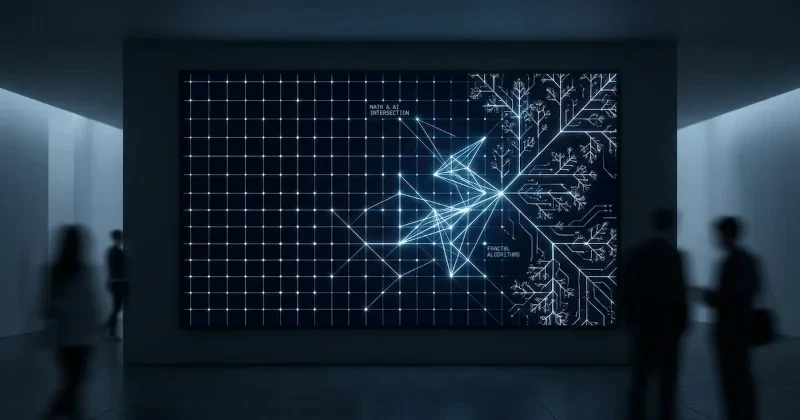
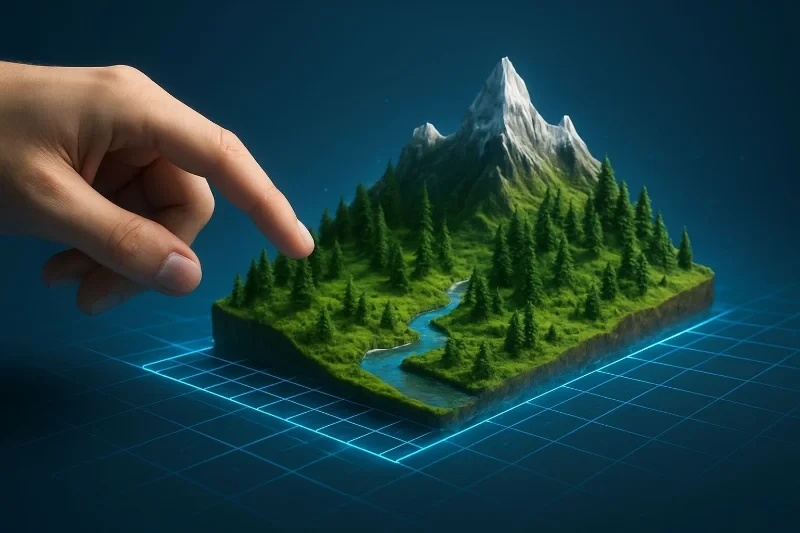
The magic ingredient is often a Seed. A seed is a string of numbers that acts as the starting point for a mathematical formula, frequently using Perlin Noise or Simplex Noise. These are not just random number generators. They are functions that create ordered randomness. They ensure that a mountain looks like a mountain, with slopes, peaks, and valleys, rather than a chaotic jumble of digital static.
The insight here for developers is that procedural generation is not about randomness. It is about constrained chaos. The secret lies in knowing exactly which rules to enforce, and which to leave to the dice.
The Illusion of Infinity
Why do some procedural worlds feel like a miracle, while others feel like a chore? This is where we encounter the Oatmeal Problem.
Coined by procedural researchers, the Oatmeal Problem suggests that you can have a billion bowls of oatmeal, and each one will be unique in the exact position of every oat. But at the end of the day, it is still just a bowl of oatmeal.
The Successes:
Games like Minecraft succeed because the procedural generation directly affects gameplay. A mountain is not just a visual object. It is a resource to be mined, or a barrier to be climbed.
The Failures:
When procedural generation is only skin deep, changing the color of a planet but not the activities on it, the human brain quickly recognizes the pattern. The ghost in this machine is the player’s realization that they are looking at a spreadsheet with a coat of paint.
The Limits, Why We Still Need Humans
Despite the power of the infinite, procedural generation has a hard ceiling, intent.
An algorithm can generate a beautiful cathedral, but it does not understand why a cathedral should feel scary, grand, or crumbling. It lacks the emotional architecture that only a human designer can provide. This is why the most sophisticated modern systems rely on a Hybrid Approach.
In this secret sauce method, humans hand craft tiles or rooms, often called proc gen chunks, and let the algorithm stitch them together. This ensures that while the layout is infinite, every individual space feels intentional, balanced, and meaningful. It is the difference between a computer generated poem, and a sonnet written by someone who has actually felt heartbreak.
The Enterprise Insight, Beyond Gaming
If you think procedural generation is only for games, you are missing the bigger picture. In the world of modern technology, procedural generation quietly powers:
• Synthetic Data: Creating millions of realistic images to train AI systems, including self driving cars
• Architectural Testing: Simulating how thousands of people would evacuate a stadium during an emergency
• Drug Discovery: Procedurally folding proteins to accelerate medical breakthroughs
The Final Verdict
The secret to infinite worlds is not just making them big. It is making them matter. As we move toward the Metaverse and increasingly complex simulations, the real challenge for developers at Devignitor’s Insights will not be, How do we build more? but rather, How do we give the math a soul?
The machine can give us the universe. But it is still up to humans to give us a reason to stay there.