Consolidating the Musk Ecosystem
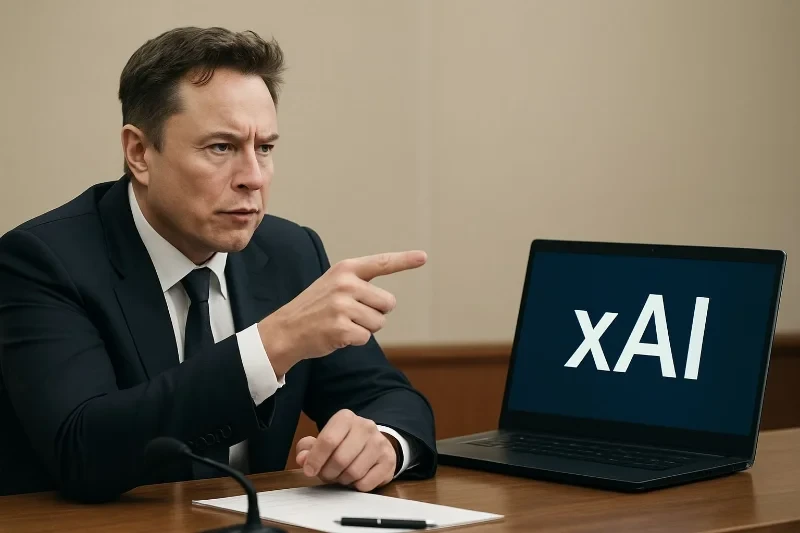
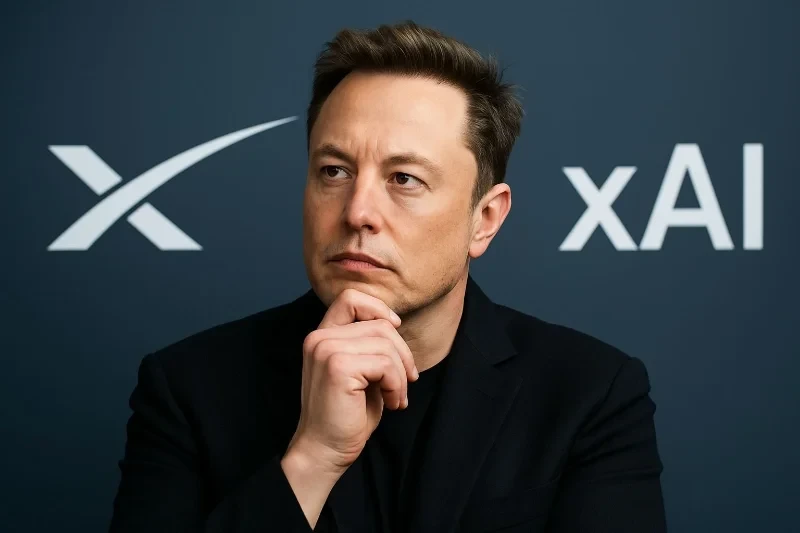
According to recent reports, Elon Musk is exploring a merger between SpaceX and his artificial intelligence company, xAI. This potential consolidation could happen before SpaceX's anticipated initial public offering later this year. Such a move would unite diverse technologies including the Grok chatbot, the X social platform, Starlink satellite internet, and SpaceX's rocket operations under a single corporate umbrella.
While company representatives have not publicly commented on these merger discussions, corporate filings reveal intriguing details. Two new entities named K2 Merger Sub Inc. and K2 Merger Sub 2 LLC were registered in Nevada in late January, suggesting structural preparations may be underway.
Strategic Synergies and Investments
Merging SpaceX and xAI could enable some ambitious technological visions. Elon Musk has previously expressed interest in situating data centers in space, and combining these companies might provide the infrastructure to make that concept a reality. This potential merger aligns with Musk's broader pattern of integrating his business ventures. Last year, SpaceX committed to investing $2 billion into xAI, and Tesla recently disclosed a similar $2 billion investment into the AI startup.
These financial maneuvers follow xAI's acquisition of the X platform, a deal that reportedly valued xAI at $80 billion and X at $33 billion. SpaceX, founded in 2002, remains a titan in the private sector. A recent secondary share sale reportedly valued the space company at $800 billion, cementing its status as the most valuable private company in the United States.
While a Financial Times report suggested Musk aims to take SpaceX public as soon as June, observers note that his ambitious timelines often face delays. The potential merger adds another complex layer to these already significant corporate developments.
At Devignitor Insights, we follow how such major consolidations could reshape the tech landscape, influencing everything from infrastructure to AI development. The prospect of combining orbital infrastructure with advanced artificial intelligence represents a frontier in corporate strategy and technological integration.