Nvidia and Microsoft Unveil ARM-Based Windows PCs at Computex 2026
We have been tracking Microsoft’s push toward energy-efficient silicon for a while, but the ecosystem has lacked a true heavyweight hardware disruptor. That changes right now. Nvidia and Microsoft are officially teaming up to launch the first Windows PCs powered by Nvidia’s own ARM-based processors. This isn't a minor spec bump; it’s a direct challenge to Apple’s silicon dominance and a major rewrite of the x86 vs. ARM battle lines for desktop computing. If you are building local-first software, your development environment is about to look very different.
News Summary
According to reports from Axios, Nvidia and Microsoft are scheduled to debut these new ARM-powered Windows PCs next week. The big reveal is set to span two major tech battlegrounds: the Computex trade show in Taipei and Microsoft's Build developer conference in San Francisco. The coordinated hype train left the station last Friday, when the official X accounts for Windows, Nvidia, and ARM dropped matching "A new era of PC" teasers alongside geographical coordinates pointing straight to Taipei.
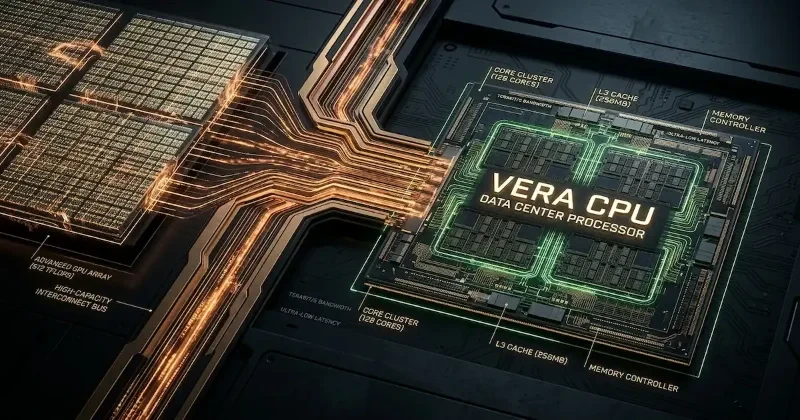
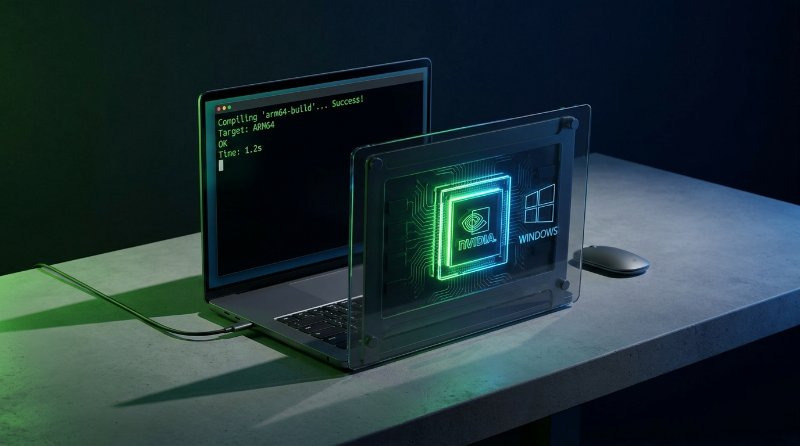
The rollout isn't limited to experimental reference designs. Nvidia-powered processors will debut inside Microsoft's flagship Surface lineup, with hardware heavyweights like Dell also shipping launch devices. This moves Nvidia squarely into the primary CPU market, utilizing ARM's architecture to challenge Intel and AMD's historic dominance in the Windows ecosystem. This development realizes a strategy first spotted in 2023, when reports emerged that Nvidia was quietly designing ARM CPUs specifically tailored for Windows OS. Crucially, Microsoft is pairing this hardware launch with a software suite built explicitly to run complex AI agents locally on your machine.
Our Analysis
Our take at Devignitor is clear: this is a massive win for the developer community, specifically for those building AI-native applications. For years, Windows developers wanting to build local AI tools had to choose between power-hungry x86 workstations or dealing with the translation layers of Qualcomm-based ARM laptops. By putting Nvidia’s silicon expertise directly onto the main processor, Microsoft finally gets the compute efficiency it needs to compete with Apple’s M5 series.
Current Desktop CPU Landscape:
[Intel / AMD] ------> Dominant x86 Legacy Compute
[Qualcomm] ---------> Existing Windows-on-ARM Alternative
[Apple M-Series] ---> Benchmark ARM Developer Hardware
[Nvidia ARM] -------> New Challenger: AI + Mainstream Windows ARM
What happens next? Expect an immediate wave of toolchain updates. Node, Docker, and Python libraries for machine learning will rush to optimize for this specific silicon profile. While Qualcomm laid the groundwork for Windows-on-ARM, Nvidia brings an unparalleled relationship with the AI developer ecosystem. This isn't just about longer battery life ; it is about putting an AI-optimized compute pipeline directly into your local machine's main processor.
| Feature / Aspect | Traditional Windows Laptops (Intel/AMD) | Apple MacBooks (M5 Series) | New Nvidia Windows PCs |
| Architecture | x86 (Dominant) | ARM (Proprietary) | ARM (Nvidia Core) |
| Primary Focus | Legacy compatibility | Efficiency & App Ecosystem | Local AI Agents & Windows Compute |
| Launch Timeline | Established | Released March 2026 | Debuting Next Week |
To prepare for Microsoft's local AI agent framework, you can use this minimal Python example to check if your script is executing natively on an ARM Windows environment.
import platform
import sys

def check_dev_environment():
    # Detect the underlying system architecture
    os_type = platform.system()
    arch = platform.machine()

    print(f"[!] Target OS Detected: {os_type}")
    print(f"[!] CPU Architecture: {arch}")

    # Verify if running on the new Windows on ARM pipeline
    if os_type == "Windows" and arch.upper() in ["ARM64", "ARM"]:
        print("[✓] Environment Ready: Native Windows-on-ARM execution.")
        # Insert your local AI agent initializations here
    else:
        print("[!] Running on x86 emulation or non-Windows platform.")

if __name__ == "__main__":
    check_dev_environment()
FAQs
Q: Will my existing Windows dev tools run on the new Nvidia CPU?
A: Yes, through Windows' built-in emulation layer, but to get maximum performance, you will need to install native ARM64 binaries of your IDEs, runtimes, and command-line tools.
Q: Does this Nvidia chip replace my GPU or my CPU?
A: It serves as the main processor (CPU) for the computer. It leverages ARM tech to manage core computing tasks while providing specialized efficiency for local processes.
Q: When can we actually buy these Nvidia-powered laptops?
A: Official announcements and specs drop next week at Computex and Microsoft Build. Shipping dates for Microsoft Surface and Dell models will follow immediately during the keynotes.
Q: Why is Nvidia making CPUs instead of just graphics cards?
A: Nvidia aims to control the entire compute stack. Designing ARM CPUs allows them to deeply integrate hardware with Microsoft’s local AI software, removing data bottlenecks.
Our Take
The desktop ecosystem just got incredibly exciting. Nvidia moving directly into the Windows CPU space proves that ARM is no longer a secondary mobile architecture—it's the future of developer hardware. If you are shipping software in 2026, it's time to audit your compiler settings and target profiles. We will be tracking the precise silicon benchmarks directly from the floor at Computex next week