OpenAI Robotics Executive Departs Amidst Pentagon Partnership Controversy
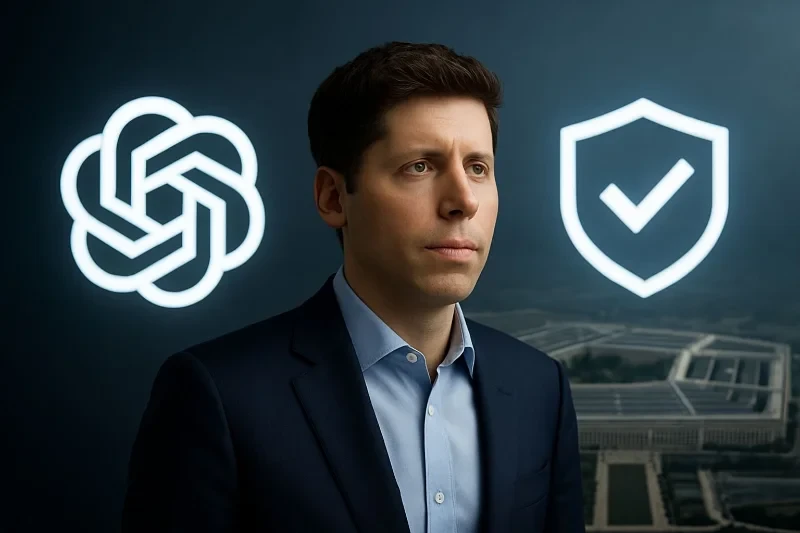
Caitlin Kalinowski, the executive leading OpenAI's robotics division, has announced her resignation. The decision stems from OpenAI's recent agreement with the Department of Defense, a move that has sparked significant debate within and outside the company. Kalinowski cited concerns over the implications of AI in national security, particularly regarding surveillance and autonomous weaponry.
"This wasn’t an easy call," Kalinowski stated in a social media post. "AI has an important role in national security. But surveillance of Americans without judicial oversight and lethal autonomy without human authorization are lines that deserved more deliberation than they got."
Kalinowski, who previously held a leadership role in augmented reality at Meta, joined OpenAI in November 2024. She emphasized that her resignation was a matter of principle, not a reflection on the individuals at OpenAI. She expressed deep respect for CEO Sam Altman and the broader OpenAI team.
In a subsequent post, Kalinowski clarified her stance: "To be clear, my issue is that the announcement was rushed without the guardrails defined. It's a governance concern first and foremost. These are too important for deals or announcements to be rushed."
An OpenAI spokesperson confirmed Kalinowski's departure. "We believe our agreement with the Pentagon creates a workable path for responsible national security uses of AI while making clear our red lines: no domestic surveillance and no autonomous weapons," the company said in a statement. "We recognize that people have strong views about these issues and we will continue to engage in discussion with employees, government, civil society and communities around the world."
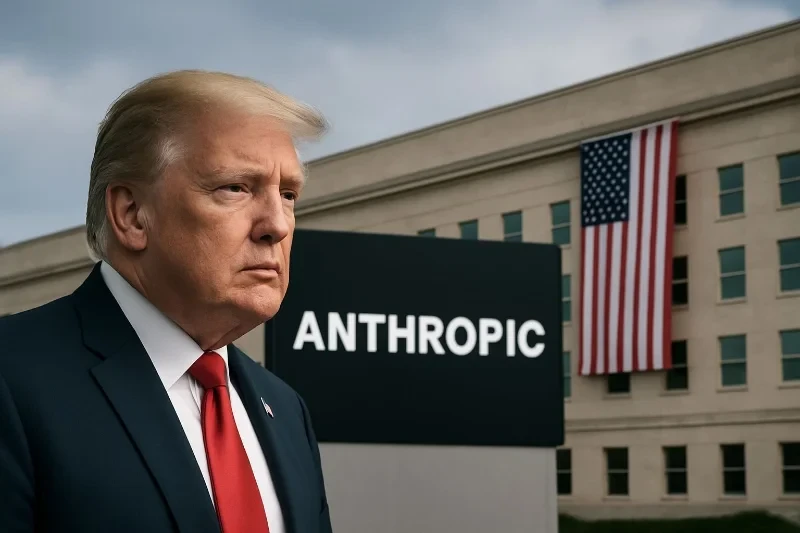
The Pentagon deal with OpenAI was announced shortly after discussions with Anthropic, another AI company, reportedly stalled over similar concerns regarding safeguards against mass domestic surveillance and fully autonomous weapons. The Pentagon subsequently classified Anthropic as a supply-chain risk, a designation Anthropic intends to contest legally. In the interim, major cloud providers have continued to offer Anthropic's Claude to non-defense clients.
OpenAI's agreement allows its technology to be utilized in classified environments. The company described its approach as comprehensive, employing both contractual agreements and technical safeguards to uphold its stated boundaries, akin to those sought by Anthropic. However, the controversy appears to have impacted public perception, with reports of increased uninstalls of ChatGPT and a surge in downloads for competing AI applications.
Stay Tuned to Devignitor Insights for More Updates