A Call to Action from Silicon Valley
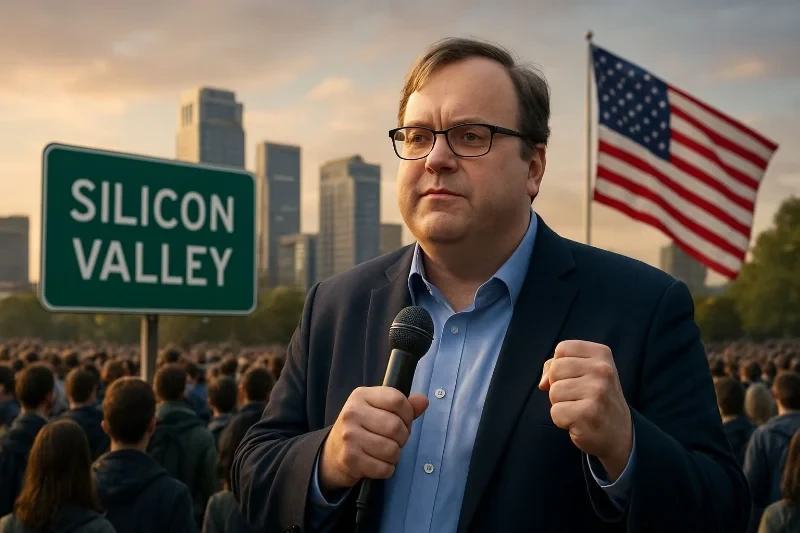
Reid Hoffman, billionaire investor and LinkedIn co-founder, is making a direct appeal to his peers in the tech industry: stop accommodating President Trump. In a recent opinion column and social media posts, Hoffman argued that Silicon Valley leaders must move beyond quiet condemnation and take a definitive stand.
Hoffman wrote, "We in Silicon Valley can't bend the knee to Trump. We can't shrink away and hope the crisis fades. Hope without action is not a strategy it's an invitation for Trump to trample whatever he can see, including our own business and security interests." This perspective, shared through Devignitor Insights, highlights a growing tension between corporate pragmatism and moral responsibility.
The Divide Within Tech Leadership
The catalyst for Hoffman's statements was the killing of two American citizens by Border Patrol agents. While several high-profile tech executives have expressed concern about these incidents, many have carefully avoided criticizing the President directly. OpenAI's Sam Altman, Apple's Tim Cook, and Anthropic's Dario Amodei have all addressed the issue through internal memos or statements, but maintained distance from political commentary.
Hoffman wants to eliminate that distinction. He contends that tech leaders possess significant influence and that "sitting on that power is not good for business. It's also not neutrality. It's a choice."
The Practical Constraints of Speaking Out
Many major technology companies maintain crucial relationships with the federal government. These include dependencies on AI regulation, tariffs affecting product costs, and lucrative contracts supplying technology to various agencies. This creates a powerful incentive for corporate neutrality.
Still, Hoffman's message resonates with a growing segment of tech employees. Thousands have signed petitions urging their CEOs to cancel contracts with Immigration and Customs Enforcement (ICE), demand that ICE leave U.S. cities, and publicly denounce the agency's actions.
Where Silicon Valley Stands Today
The tech industry remains divided. Vocal Trump supporters like Elon Musk and venture capitalist Keith Rabois stand on one side, while many others attempt to navigate a middle path. Tim Cook's actions exemplify this balancing act: he described being "heartbroken" over the border incidents but attended an exclusive screening of First Lady Melania Trump's documentary shortly after one of the killings.
Hoffman's call represents a push to end this ambiguity. He believes the moment requires clear leadership rather than cautious diplomacy. As debates about corporate responsibility intensify, the choices made by tech leaders will define the industry's role in America's political landscape, a topic we frequently explore at Devignitor Insights.