Waymo's Ambitious Expansion and the Profitability Puzzle
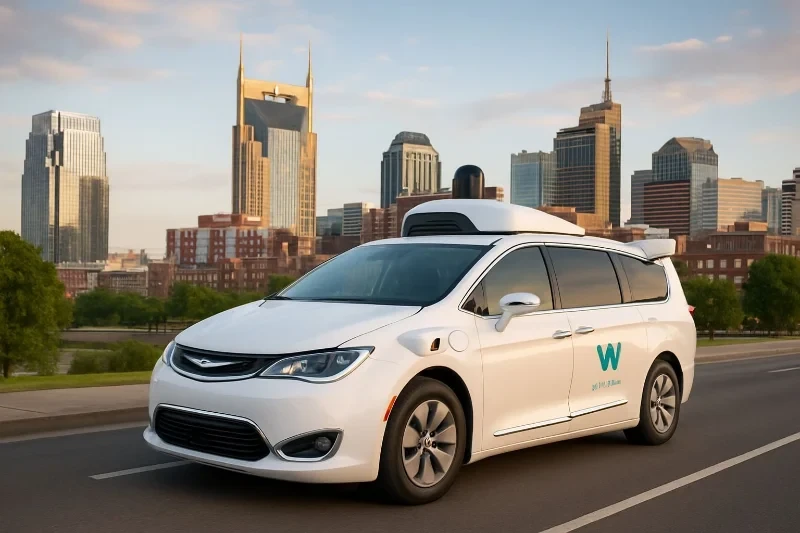
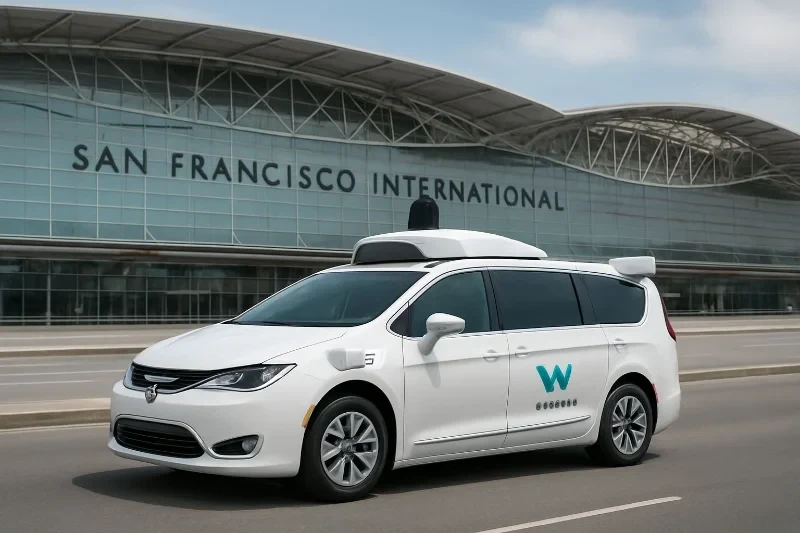
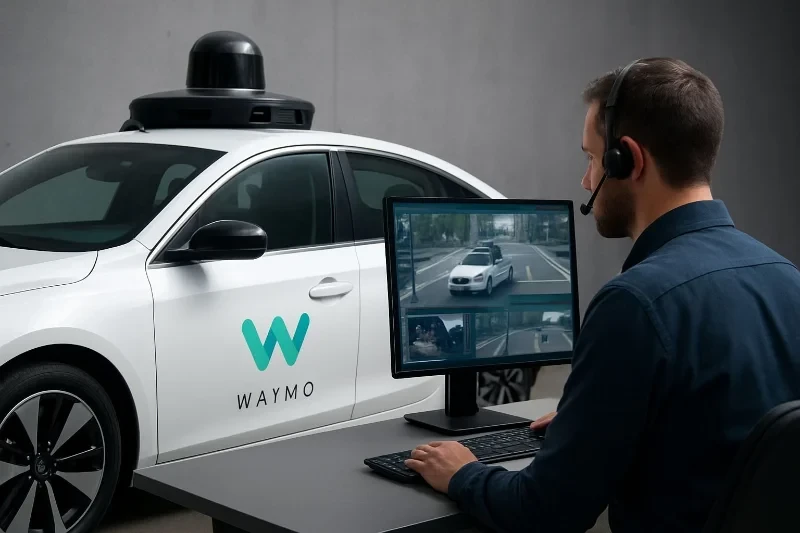
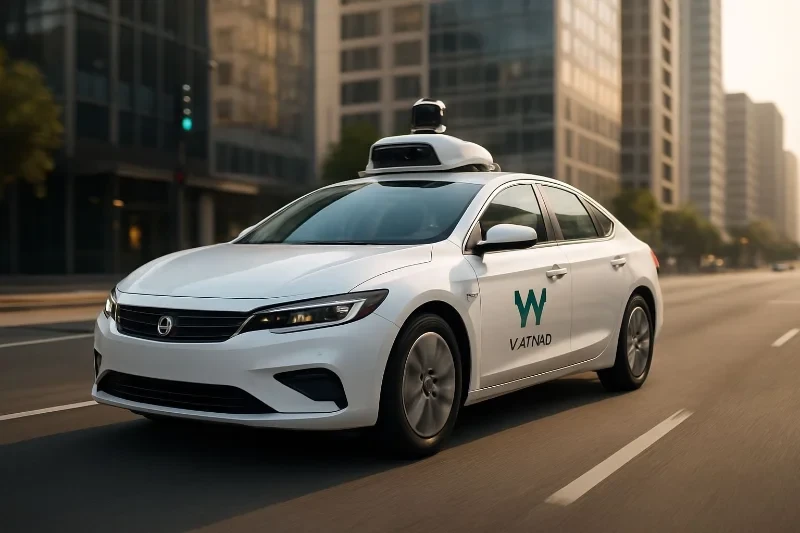
Waymo, the autonomous driving division of Alphabet, has significantly expanded its robotaxi services over the past 18 months. Operating in six major U.S. markets including San Francisco, Phoenix, Los Angeles, Austin, Atlanta, and Miami, Waymo is projecting an aggressive international rollout into cities like London and Tokyo. This expansion is backed by a substantial $16 billion investment. The key question for industry observers is whether this funding is sufficient to build a profitable robotaxi business.
Industry sentiment suggests a cautious optimism, often described as "sort of" or "it depends." Alphabet's continued commitment as the primary investor provides Waymo with a stability that many other autonomous vehicle (AV) startups lack, especially those reliant on more skittish legacy automaker funding. Waymo's operational metrics, such as the reported 400,000 weekly rides across its service areas and a tripling of annual rides to 15 million in 2025, indicate strong user adoption and operational growth. However, this trajectory is not without potential hurdles, particularly from regulatory bodies.
Challenges on the Road to Profitability
Despite its impressive growth, Waymo faces significant challenges in achieving profitability. The high cost of developing and operating AV technology remains a primary concern. Furthermore, increased regulatory scrutiny, exemplified by recent congressional hearings, requires careful navigation. Waymo's strategic decision-making, such as whether to focus solely on licensing its technology or continue as an operator, will also heavily influence its financial future. Operating a nascent technology under intense public and governmental observation presents a complex balancing act.
Another point of discussion is Waymo's manufacturing strategy. Unlike Tesla, which has in-house manufacturing capabilities that enable cost reduction through scale, Waymo relies on automotive partners. While this partnership model has advantages, it may limit the financial leverage and cost efficiencies that come with integrated production.
Broader Trends in Autonomous Vehicle Investment
The pursuit of profitable robotaxi services is just one facet of the broader autonomous vehicle landscape. The development of AV technology is capital-intensive, attracting only a select few well-funded companies for large-scale ride-hailing operations. Many startups are pivoting to apply their AV systems to other sectors, including defense, trucking, mining, and construction. This diversification is attracting significant investor interest, as seen with Bedrock Robotics.
Bedrock Robotics, a startup founded by former Waymo and Segment employees, is developing a retrofit system for construction equipment. They recently secured $270 million in Series B funding, demonstrating the flow of capital into physical AI applications. The company has attracted notable talent, including former Meta AI leader Vincent Gonguet, signaling a competitive market for specialized expertise.
Several other deals highlight the ongoing investment in mobility and related technologies:
- Additive Drives, a German electric motor maker, raised €25 million ($29.5 million).
- Apeiron Labs, focusing on autonomous underwater vehicles, closed a $9.5 million Series A.
- GoCab, an African mobility fintech startup, secured $45 million in financing.
- Mitra EV, a commercial EV fleet company, raised $27 million.
- Overland AI, developing self-driving systems for military use, raised $100 million.
- Plug, a used EV marketplace, raised $20 million in Series A.
- R3 Robotics, aiming to automate EV system disassembly, raised €20 million ($23.6 million).
- Skyryse, an aviation automation startup, secured over $300 million in Series C, reaching a $1.15 billion valuation.
Regulatory and Corporate Moves in Mobility
Regulatory developments continue to shape the industry. China has mandated mechanical door handle releases on all new cars by 2027, potentially impacting features like those popularized by Tesla. Meanwhile, Uber is making strategic financial appointments to bolster its focus on AV partnerships, with its new CFO actively promoting these collaborations and holding a board seat at an AV company. However, Uber also faces ongoing legal challenges, as evidenced by a recent lawsuit where the company was found liable in a rider safety case.
In corporate naming trends, the poll on Elon Musk's potential supercompany name leaned towards 'X', reflecting a broader interest in consolidating various ventures under a single, overarching brand. This move suggests a strategy of creating an integrated ecosystem, potentially encompassing more than just aerospace and AI.
Stay Tuned to Devignitor Insights for More Updates