Epic vs Apple The Legal Fight Reshaping App Store Economics
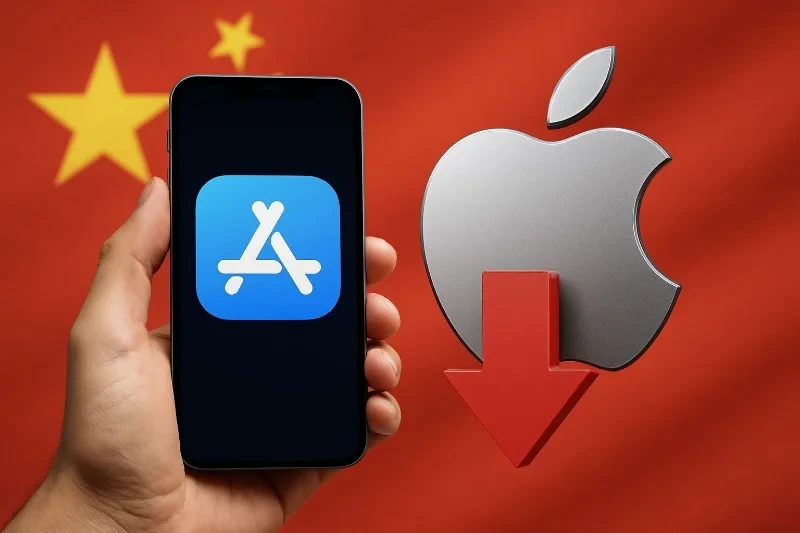
If you've ever dealt with the friction of iOS App Store compliance, you know the "link-out" saga has been a headache for years. We’ve been watching the Epic v. Apple fallout closely, and this week the story took a major turn. Apple is officially asking the U.S. Supreme Court to intervene in a civil contempt order regarding their external payment commission structure. For developers who’ve been trying to navigate Apple's evolving "anti-steering" rules, this isn't just legal theater-it's a potential shift in the economics of your App Store presence.
News Summary
The core of this latest filing stems from a 2021 injunction that required Apple to allow developers to include links in their apps directing users to alternative payment methods. While Apple complied by permitting these links, they quickly countered with a 27% commission fee on purchases made through these external channels if they occurred within seven days of a link click.
Epic Games challenged this fee, arguing it effectively nullified the spirit of the court's order. By 2025, a judge sided with Epic, holding Apple in civil contempt for violating the injunction. The 9th U.S. Circuit Court of Appeals upheld this finding in December, though they did provide a small window for Apple to argue the specific economics of what constitutes a fair commission for digital goods.
Apple’s move to the Supreme Court seeks to challenge two primary issues. First, they argue the injunction’s reach is too broad, claiming it shouldn't apply to millions of developers when Epic is the sole plaintiff and the suit isn't a class action. Second, Apple contends that they cannot be held in contempt for violating the "spirit" of an injunction that didn't explicitly forbid their specific 27% commission policy.
Epic Games isn't backing down, characterizing the filing as a "Hail Mary" attempt to delay the inevitable and maintain their walled-garden control over payment competition. With the Supreme Court already denying a previous request to pause lower court proceedings earlier this month, the pressure on Apple’s ecosystem model is reaching a boiling point.
Developer Impact
What does this mean for those of you shipping SaaS or games on iOS? If you’ve been banking on third-party payment integration to bypass the 30% "Apple Tax," this news confirms that the ground is still shifting.
Even if you successfully implement a payment redirect, the legal reality is that Apple is fighting to ensure those transactions remain taxed at nearly the same rate. Don't expect an immediate "gold rush" where you can suddenly keep 100% of your revenue via web-payments without a battle. If the Supreme Court refuses to hear the case, the lower court’s contempt finding holds, which might eventually force Apple to lower their commission or adjust the "seven-day" tracking window. For now, keep your payment architecture flexible. Don't hard-code your payment logic; ensure your app can toggle between Apple's IAP and external payment flows via remote config or feature flags.
Our Analysis
This is a mixed bag for the developer community. On one hand, any challenge to Apple’s monopolistic hold on iOS transactions is a win for platform neutrality. On the other, the ongoing uncertainty creates a nightmare for indie developers who need long-term financial predictability.
We predict the Supreme Court will be hesitant to overturn the contempt finding unless Apple can prove a significant jurisdictional overreach. Apple’s argument that they shouldn't be penalized for "spirit-of-the-law" violations is legally clever but ignores the reality of how they’ve throttled developers' attempts to implement the injunction's intent.
Compared to the early days of the App Store, where the rules were opaque but static, we are now in an era of constant, litigious flux. Apple is essentially playing a game of chicken, attempting to maintain high commission rates until the very last possible legal moment. For the ecosystem, this creates a "wait and see" culture that discourages developers from building innovative, platform-agnostic billing systems. The endgame here isn't just about 27% vs 30%; it's about whether Apple can continue to treat their platform as a sovereign state that dictates the flow of commerce long after the courts have told them otherwise.
FAQs
Q: Does this mean I can stop paying the 30% commission now?
A: No. Apple’s 27% fee on external payments still applies, and the legal battle is ongoing. Do not change your billing implementation until final court rulings are fully executed.
Q: Will this change the App Store rules for non-game apps?
A: While this case involves Epic Games, the precedent set regarding "anti-steering" and payment control likely impacts all apps that process digital goods, not just games.
Q: Is it safe to build a custom payment flow right now?
A: It is risky. If you build one, ensure you have a fallback to native In-App Purchases (IAP) to avoid getting your app rejected or pulled from the store for non-compliance.
Q: Why did Apple bring this to the Supreme Court?
A: To challenge the scope of the original injunction and argue that they cannot be held in contempt for policies that were not explicitly prohibited by the judge's 2021 ruling.
Our Take
Apple is clearly digging in for a protracted final stand to protect its revenue architecture. While this case will eventually set a massive precedent for digital marketplaces, the immediate takeaway for builders is to prioritize resilience. Don't tie your business model to a single payment vendor’s regulatory luck. As this legal drama nears its climax, we’ll continue to track how these rulings impact the actual SDKs and guidelines you're coding against. Stick with Devignitor for the updates that matter.